
Prague-Vienna Greenway: Complete Route Breakdown
Everything you need to know about this iconic 320km route—terrain, facilities, and what to expect in each country section.
Read GuideFollow the Vltava River from Prague’s urban streets to the Bohemian countryside. This guide takes you town by town along one of the Czech Republic’s most scenic cycling routes, with practical stops, terrain details, and what makes each section unique.
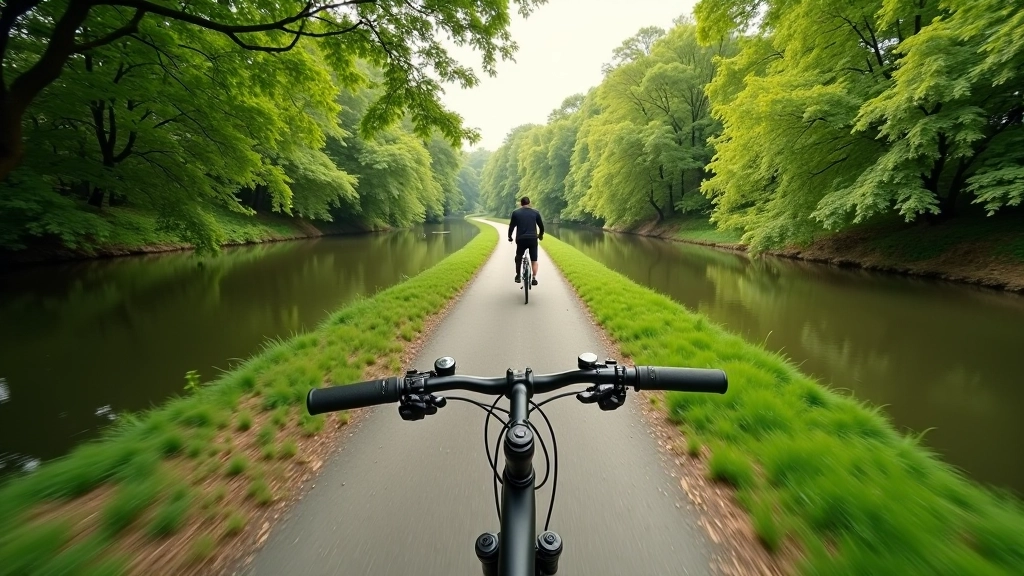
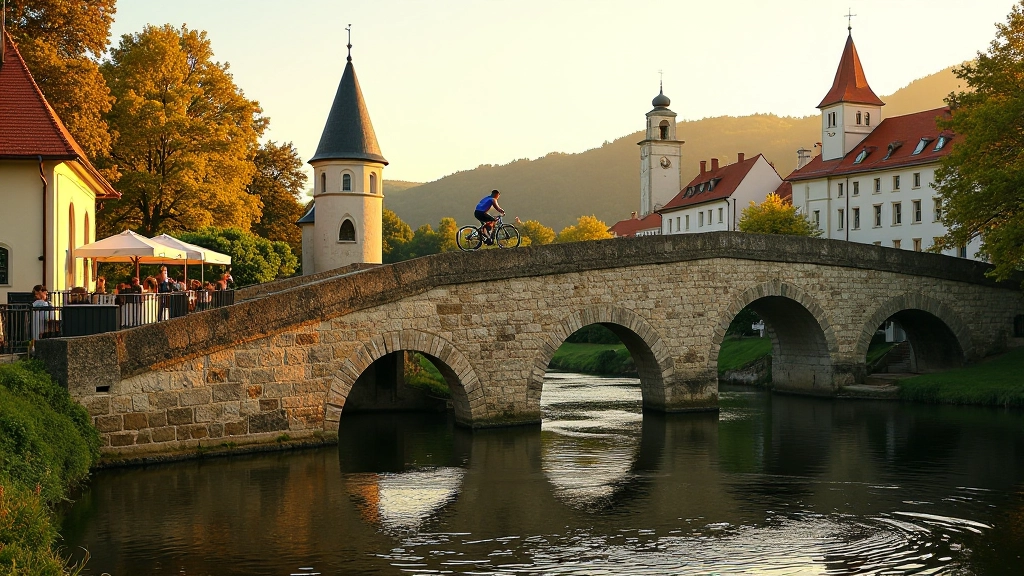
The Vltava isn’t just another cycling path—it’s the heartbeat of Czech cycling culture. Stretching through medieval towns, past castle ruins, and alongside peaceful water, this route connects history with nature. You’ll pedal through villages where locals wave from gardens, cross wooden bridges that look unchanged from centuries ago, and discover quiet spots that most tourists never find.
What makes this different from a standard tour is the rhythm. You’re not racing through landmarks. Instead, you’ll stop in real towns where people actually live, grab coffee at a café run by the same family for three generations, and understand what makes this river corridor so special to Czech cyclists.
The Vltava River cycling path runs from Prague south to Pisek, following the river valley through rolling countryside. It’s mostly flat to gently rolling—no serious climbs—making it perfect for casual riders and families. The surface varies between dedicated bike paths, quiet country roads, and occasional gravel sections. Most of the route stays close enough to the river that you’ll see water regularly, whether it’s wide and calm or narrow and rushing through rocky sections.
Start in Prague’s cycling district, heading south from Vyšehrad. The first stretch is mostly on dedicated city paths, crossing through green zones and suburbs. Around Davle, the urban noise fades and you’ll enter the real Vltava corridor. Mělník sits at the confluence of two rivers and offers your first real town experience—a 13th-century castle overlooks the vineyards. The terrain here is flat, and the ride takes about 2.5 hours at a relaxed pace.
Stop for: Mělník’s wine shops and river viewpoint café. Lock your bike and climb up to the castle grounds—no entry fee just to walk around the perimeter.
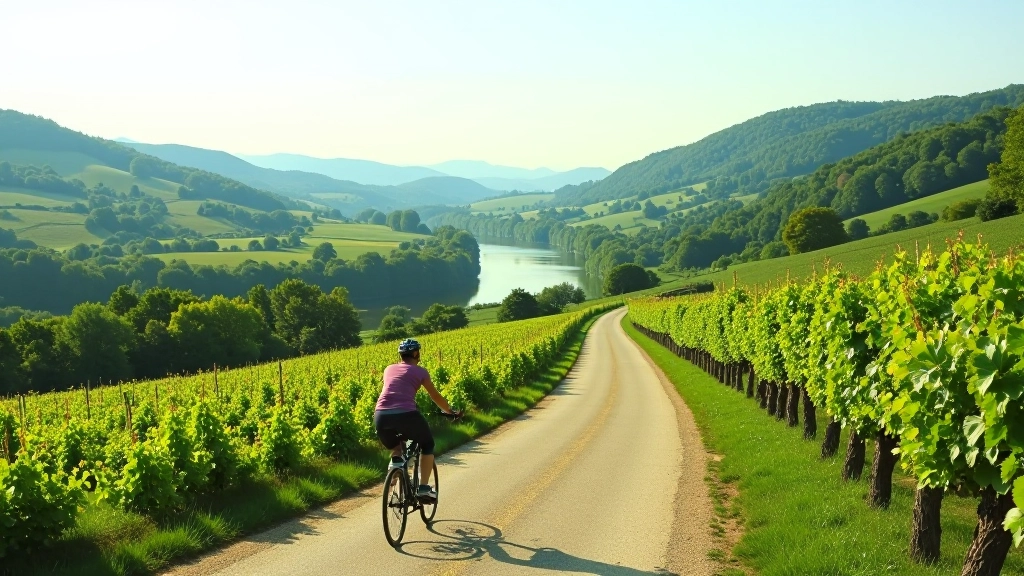
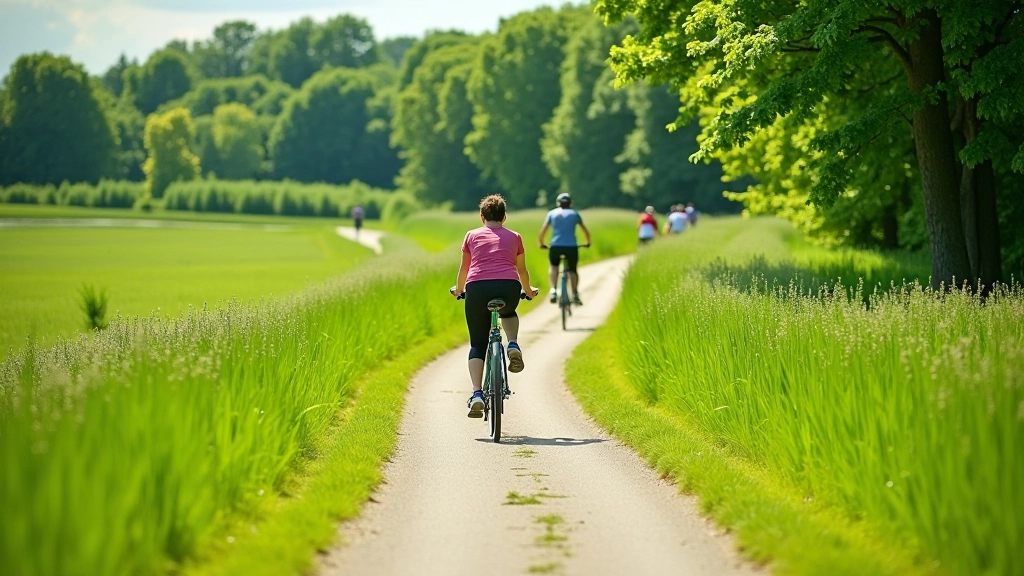
This section feels like the “real” start of your adventure. You’re following the river closely now, with views changing every few kilometers. The path winds through farmland, small villages, and occasional forests. Around Roudnice nad Labem, you’ll notice the landscape opening up—wider fields, bigger sky. Nymburk’s a working town, not touristy, with a massive Gothic church and a nice bike repair shop near the main square. The ride’s mostly flat with one gentle climb near Byšice.
Stop for: A bakery near Nymburk’s town square makes incredible traditional Czech pastries. Grab supplies here for afternoon snacking.
Insider tip: Between Mělník and Nymburk, you’ll pass Štětí—a tiny village with a riverside pub that’s been family-run since 1987. They serve proper Czech food and don’t see many cyclists. Worth a 20-minute break.
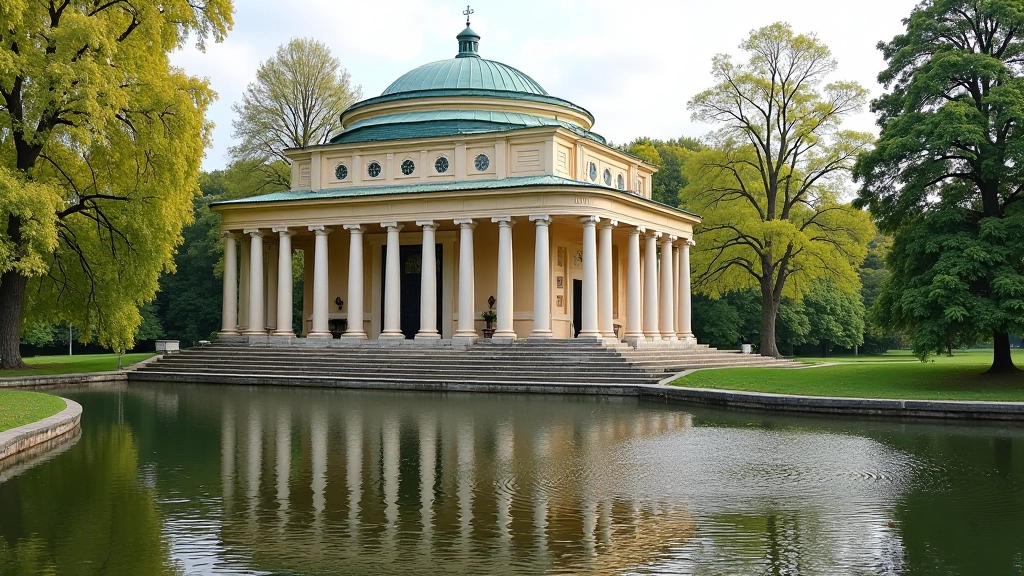
The shortest segment, but perhaps the most scenic. The path hugs the river tightly here, with water on one side and willows on the other. You’ll feel the pace shift—it’s quieter, slower, more contemplative. Poděbrady’s famous for its mineral springs and spa culture. There’s an elegant colonnaded pavilion right by the river where you can rest and refill water bottles. The town’s small enough that everything’s walkable, and the cycling infrastructure is excellent—clearly locals take their bikes seriously here.
Stop for: The Poděbrady spa park—free to walk around, with shaded benches perfect for a proper lunch break. Water fountains with the mineral spring water are marked throughout.
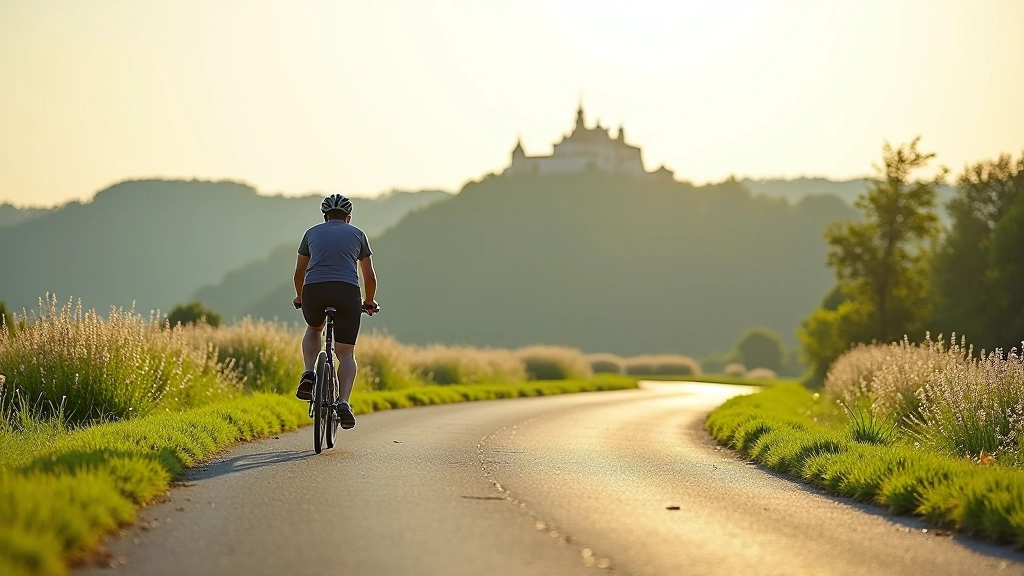
After Poděbrady, the landscape shifts again. You’re moving into a more industrial area—Kolín’s a real working city with a massive chemical plant visible from the path. But don’t skip it. The old town center around the Gothic church is beautiful, and the cycling culture here is strong. Bike shops are plentiful, and there’s an excellent pub that caters to cyclists with proper food portions. This section’s slightly hillier than earlier stretches, with a few short climbs that’ll warm up your legs.
Stop for: Kolín’s old town square has several cafés. The one with the red awning does excellent coffee and their homemade lemonade is perfect for refueling.
About 70% is smooth asphalt, 20% is compact gravel, and 10% is regular country road. A hybrid or gravel bike works better than a road bike. Mountain bikes are overkill unless you want extra comfort.
Towns have fountains and shops, but don’t assume they’re always accessible. Carry at least 1.5 liters capacity. The river itself isn’t drinkable.
April through October is ideal. Spring’s beautiful but muddy on gravel sections. Summer’s warm but can be busy near Prague. Fall’s perfect—fewer people, cooler temperatures, great light.
Every town has guesthouses or small hotels. Book ahead in summer. Many places offer bike storage and repair stands—ask when you arrive.
This guide is informational and reflects conditions as of April 2026. Route conditions, facilities, and services change seasonally and can be affected by weather, construction, or local events. Always check current conditions with local tourism offices or cycling groups before planning your trip. Ride safely, wear appropriate safety gear, and follow local traffic regulations. This guide doesn’t replace detailed maps or GPS navigation—use it alongside proper route planning tools.
The Vltava River cycling path offers something different—not a race, not a checklist, but a chance to move through the landscape at human speed. You’ll pedal through 143 kilometers of Czech culture, landscape, and cycling tradition. Pack your bike, fill your water bottle, and spend a few days discovering why this route matters to the people who call it home.
Start in Prague, end in Kolín (or continue further—the Vltava keeps going). Either way, you’ll understand why Czech cyclists come back to this route year after year.